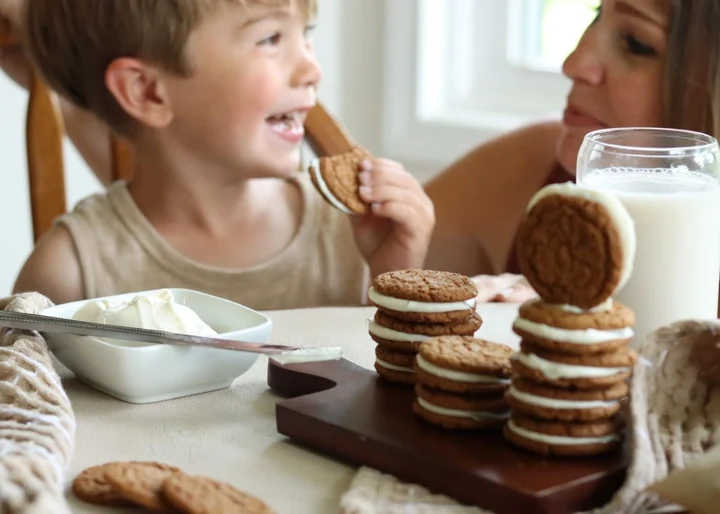
Start with the flavor and pack format you want. Original animal crackers come in a 16 oz bag for sharing or twelve individual 1 oz snack packs. Ginger SNAPS come in a 14 oz bag, with ginger, molasses, cinnamon and cloves. This guide compares those choices and explains how to serve them, pack them for an outing and store opened bags so the cookies keep their crunch.
This guide starts with the three options in our current selection. Simply Animals comes in an Original 16 oz sharing bag and a box of twelve Original 1 oz packets. Ginger SNAPS comes in a 14 oz bag. The flavors are different, but the practical questions are much the same: who is the snack for, where will you eat it, and do you want to portion it yourself?
Choose a flavor before choosing a pack
Start with the kind of crunch you are in the mood for. Original Simply Animals is the familiar, lightly sweet animal cracker. It is an easy choice when you want the shape and texture to take the lead. The red bag fits a shared snack bowl; the individual packets put that same Original idea into a smaller, sealed format.
Ginger SNAPS has a different character. Ginger, molasses and spices bring warmth, and the cookie has a crisp rather than a soft texture. Think of it as a companion for a quiet coffee break or as an ingredient in a dessert that needs ginger-cookie crumbs. It is not the same style of cookie as soft gingerbread.
| Snack | Format | Useful starting point |
|---|---|---|
| Original Simply Animals | 16 oz bag | Fill a bowl or portion your own snack containers |
| Original Snack Packs | 12 × 1 oz bags | Take individual sealed packets with you |
| Ginger SNAPS | 14 oz bag | Enjoy warm spice and a crisp cookie texture |
A sharing bag or individual packets?
A sharing bag gives you control over how much to put out. Pour a little into a bowl, fill a reusable container or divide crackers between several plates. That flexibility is useful at home, where you can close the bag and put it away as soon as you have what you need. The trade-off is simple: you do the portioning.
The Original multipack does that step for you. It contains twelve separate 1 oz bags, for 12 oz in total. Each packet remains sealed until someone opens it. That is convenient when you want to put a snack in a lunch bag, set aside a few for the office or take only the number you need on an outing.
Do not compare only the number printed most prominently on the package. A twelve-pack is not twelve ounces per bag, and a 16 oz sharing bag is not sixteen individual packets. The package description on each product page spells out both the count and the weight. Check the same details on the offer before placing an order.
If you are comparing value, compare the total weight as well as the format. Divide the current price by the total number of ounces for a rough price-per-ounce comparison. Then consider whether separate wrapping is useful to you. Delivery charges and the final checkout total may change the comparison, so use the actual offer rather than assuming one format is always the better buy.
Read the parts of the label that answer your question
Start with the name of the flavor and the net weight. These are the quickest checks for whether you are looking at the right product. When several bags have a similar shape or the packaging has been refreshed, the flavor line matters more than remembering the color of an older bag.
Next, read the ingredient list and the allergen statements together. Look for the separate “Contains” line and any “May contain” wording. A statement about the absence of one ingredient does not describe every allergy or dietary requirement. Use the current label for the exact flavor you plan to serve, and ask the manufacturer if something you need to know is unclear.
The nutrition panel has its own context: the serving size. Compare the weight of a serving before comparing numbers between products. A stated number of cookies can be useful, but the size and weight of different cookies can vary. A sharing bag usually contains more than one serving, while a multipack combines several separately wrapped portions in one outer box.
Keep package changes in mind. Product photographs are helpful for seeing a label more closely, but an image is not a promise that every later bag will look identical. Read the packaging you receive. Keep it available when sharing snacks so another person can check the ingredients without relying on your memory.
For a closer look, open the ingredients and label guide, then follow the link to your exact product. Its gallery includes package details you can enlarge.
Put together a simple snack plate
Think in small groups rather than a large, elaborate board. A bowl of Original animal crackers, a separate bowl of fruit and a drink may be all you want. Keeping the components apart lets people choose their own combination and helps the crackers stay dry. Add only what you expect to eat soon, then refill if needed.
If you serve crackers with yogurt, pudding or another soft food, add the crackers at the last moment. A crisp cracker changes texture as it sits against moisture. That can be pleasant when it is intentional, but keeping the crackers separate gives everyone the choice between a crunchy topping and a softer bite.
The 13 animal shapes give children something to look for before they eat. Pour a portion into a bowl, name the animals you recognize and sort matching shapes together. Let each child use their own portion for the activity, then put the remaining crackers away. You can do the same with an individual snack pack at lunch, without opening a larger bag for the whole table.
For guests, keep the setup easy to understand. Put the package names beside the bowls, offer smaller portions first, and leave room on the table for drinks. If a guest needs information about ingredients, show them the label. A friendly serving arrangement works best when people can decide what suits them.
Make a little more of Ginger SNAPS
Serve Ginger SNAPS on a small plate beside coffee or tea. Keeping the cookies separate from the cup preserves their dry crunch until you eat them. If you like to dip a cookie, try one first to see how quickly it softens in your drink. The ginger, molasses, cinnamon and cloves are already in the cookie, so taste it with your usual drink before adding another flavor.
Ginger SNAPS can also become a finishing touch for a simple dessert. Break a cookie into a few pieces and scatter them over ice cream just before serving. Ginger gives a warm contrast to a cool scoop. Try a few ginger-cookie pieces alongside vanilla or berries. Keep the remaining cookies dry so you can decide how much crunch to add.
For a crumb topping, place the cookies in a sturdy food-storage bag and crush them gently with a rolling pin. Work over a board or other protected surface. Stop when the pieces are the size you want: larger fragments stay more distinct, while finer crumbs spread evenly over the top of a dessert.
A cookie crust needs more care than a loose topping. Use a recipe written for a cookie-crumb crust, measure the crumbs as directed and follow its butter and baking instructions. Do not assume every cookie can be swapped into every recipe without changing the result. The texture of the crumb mixture matters, and a measured recipe gives you a better starting point than an arbitrary handful.
Taste the cookie alongside a small amount of the filling before making a full dessert. Ginger SNAPS bring spice as well as sweetness, while Original animal crackers give a milder starting point. Crush a small sample to see the crumb texture, too. For a crust, follow a recipe written for that type of cookie rather than assuming that different cookies need the same amount of butter or the same baking time.
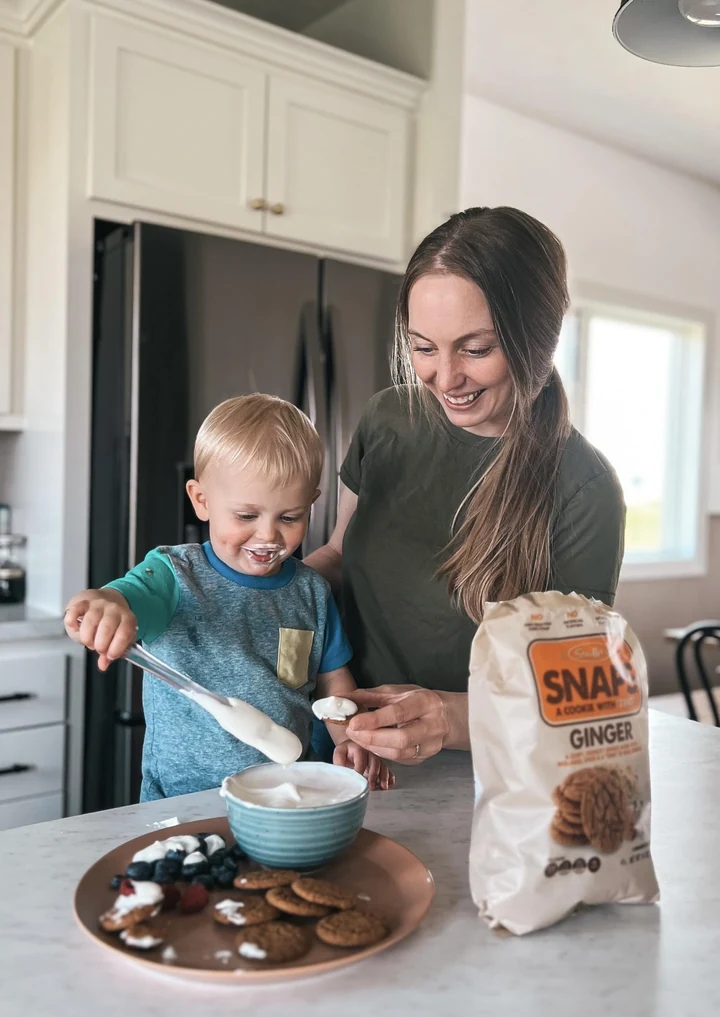
Keep serving photographs in perspective. A styled plate may combine several cookie flavors, drinks or other ingredients. Those extras are serving ideas, not the contents of a single purchase. Our Ginger product page names the exact 14 oz bag associated with its purchase button.
Keep the crunch after opening
Moisture is the main thing to keep away from a crisp cracker or cookie. After taking out a portion, close the bag promptly. If the bag no longer closes securely, use a clean, dry food-storage container with a tight-fitting lid. Keep the product label or place the original bag inside the container so the flavor, ingredients and date remain easy to find.
Choose a cool, dry cupboard away from steam and strong pantry odors. A spot beside the kettle may be convenient, but repeated steam is not helpful for keeping a dry snack crisp. Avoid leaving an open bag on the counter while you cook or wash dishes. Taking out what you want and putting the rest away is a small habit that makes storage simpler.
Do not combine a partly used old bag with a newly opened one without checking them first. Keeping batches separate makes it easier to follow the package dates and notice whether an open bag has changed. Use the older suitable bag first, and avoid buying so much that several opened bags sit forgotten at the back of the cupboard.
The date printed on the package and the condition of the contents matter more than a universal promise about how long an opened bag lasts. Storage conditions vary. Follow the package guidance, inspect the bag and seal when it arrives, and contact the seller or manufacturer if you have a concern about a particular product.
A useful cupboard routine: take a portion, close the bag, keep the label, and put it back in the same dry place. A clear spot for open snacks is easier to manage than several half-hidden bags.
Pack for an afternoon out
Start with how many people are going and whether you want separate packets. The twelve-pack of Original crackers is convenient because you can take a few sealed bags and leave the rest at home. If you prefer a sharing bag, portion the crackers into dry containers before leaving rather than trying to divide them in a moving car or on a crowded bench.
Protect the texture and the shape with the container you choose. A rigid snack box can reduce crushing when a bag is squeezed between books, drink bottles or other items. Keep moist foods in a separate compartment with a reliable seal. A leaky piece of fruit or a damp napkin can make a carefully packed cracker snack less appealing.
Keep the product information accessible. An individual packet carries its own package information; if you decant a sharing bag, retain the label at home and consider whether anyone sharing the snack needs to read it. For a group outing, it is often simpler to keep products in their original packaging until they are served.
For an outing, count the people and the breaks you expect before packing. Individual snack packs are easy to divide between bags, while a sharing bag needs a clean container or bowl for serving. Protect either format from crushing. Pack chilled foods separately and keep them cold as their storage instructions require; adding shelf-stable crackers to a lunch bag does not change how the other food must be stored.
Build a pantry plan you will actually use
Decide which packs you actually use before restocking the pantry. A 16 oz Original bag suits a household that pours crackers into bowls or reusable containers. The twelve-pack provides separate 1 oz portions for lunch bags. A 14 oz Ginger SNAPS bag adds a different flavor for coffee breaks or recipes. Keep the opened pack where you can see it, so it gets used before another of the same kind is opened.
Compare the pack with your usual week. A box of twelve individual packs contains twelve 1 oz portions: taking one on each of five days leaves seven unopened packs. A 16 oz bag holds more crackers by weight, but you will need to portion and reseal it yourself. That difference helps you judge which format fits your packing routine before comparing the current prices.
Before reordering, check the remaining amount, the package dates and which bags are already open. Confirm the flavor and quantity on the new offer; similar-looking listings can represent different counts. Use the checked price as a starting reference, then look at the final amount and delivery details on the purchase page.
Put new bags behind the ones you plan to use first. Keep snack packs together so it is easy to see how many remain. A small amount of organization reduces the familiar situation where an unopened bag is forgotten while a new one is bought. You do not need a special storage system: one consistent shelf can do the job.
Keep a simple snack inventory
Count the unopened snack packs when you make a shopping list and check any open sharing bags at the same time. Note the opening date if it helps your household keep track. Retain the original label for ingredients, allergens and storage directions, even if you put the bag inside another container. This also makes it easier to identify a particular pack if you need to check its details later.
If two people share the shopping, keep the flavor and size in the list entry. “Original animal crackers, 16 oz bag” is more useful than “crackers.” “Original, twelve 1 oz packets” makes the difference even clearer. A specific list avoids accidentally buying a sharing bag when the week’s plan depends on separate packets for several lunch bags.
Give each open bag one clear place
Choose a small area of the cupboard for opened snacks. Keep the Original bag and Ginger SNAPS upright when practical, with the names visible. If you use containers, put the retained package label where you can find it. A container can make storage convenient, but it should not separate the food from information someone needs to make a choice.
Before bringing out a fresh bag, check whether an opened one is ready to use first. Put a small amount in the serving bowl and leave the rest sealed. This also gives you a clear moment to notice whether the texture is still the one you expect. If the product seems unsuitable, use the package information to ask the manufacturer about the concern rather than mixing it into a new bag.
Make serving easy to repeat
Keep a clean serving bowl or dry, rigid lunch container near the place where you pack snacks. Pour out what you need, close the bag and put it away before preparing the rest of the food. Avoid leaving an open bag beside a steaming kettle or saucepan. If you transfer the crackers to a container, keep the label with them so ingredients and allergen information remain available to everyone who eats them.
For a shared afternoon break, decide what to put out first and what can stay in the cupboard. Crackers and cookies can be offered in separate bowls, with their packages available to read. People can choose Original, Ginger or a little of each. Refill the bowl if needed, rather than leaving a whole opened bag beside a busy table.
A few easy combinations to try
- At the kitchen table: Original animal crackers in a small bowl, with fruit served separately.
- For the lunch bag: one Original snack packet alongside the other foods you have planned.
- For a coffee pause: a few Ginger SNAPS on a plate, without any extra preparation.
- For a simple dessert: Ginger SNAPS served beside ice cream, or broken over it immediately before eating.
Choose the 16 oz Original bag if you want animal crackers to portion or share, the twelve individual 1 oz packs if you want sealed portions to take along, or the 14 oz Ginger SNAPS bag for a spiced cookie. Compare the current pack details before ordering, then check the label when it arrives. Store the opened pack as directed and use the serving ideas that fit the food and drinks you already enjoy.
Compare all three snacks to see the current selection, pack sizes and product photographs. For a question about a purchase you have already made, visit shopping and order help.